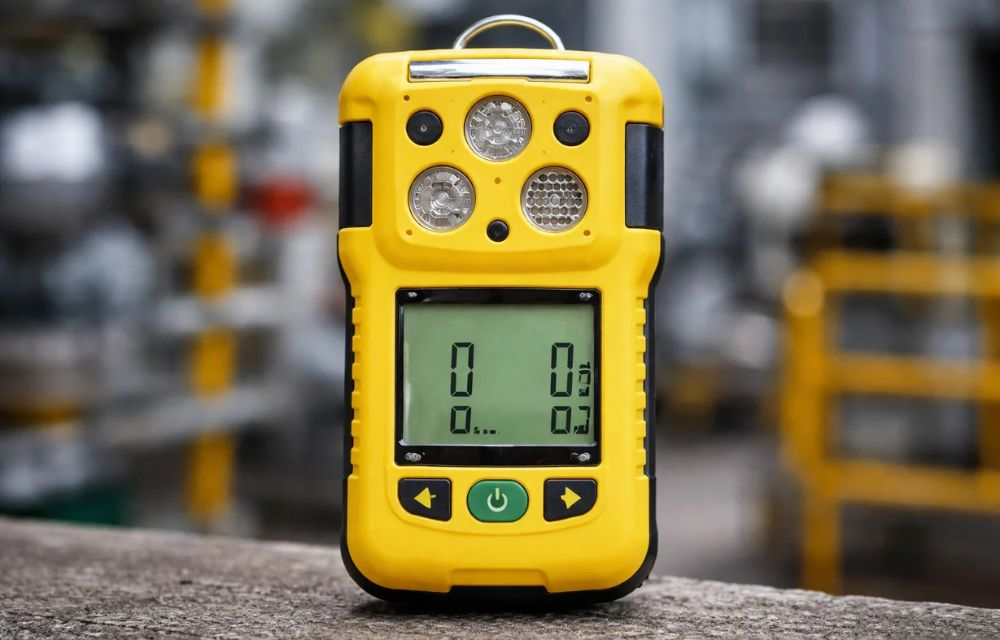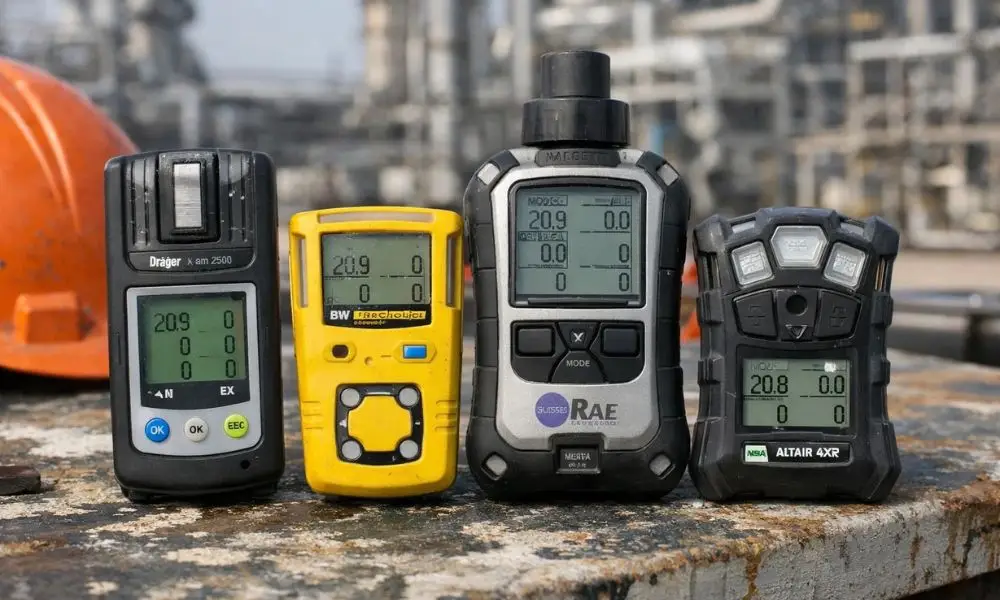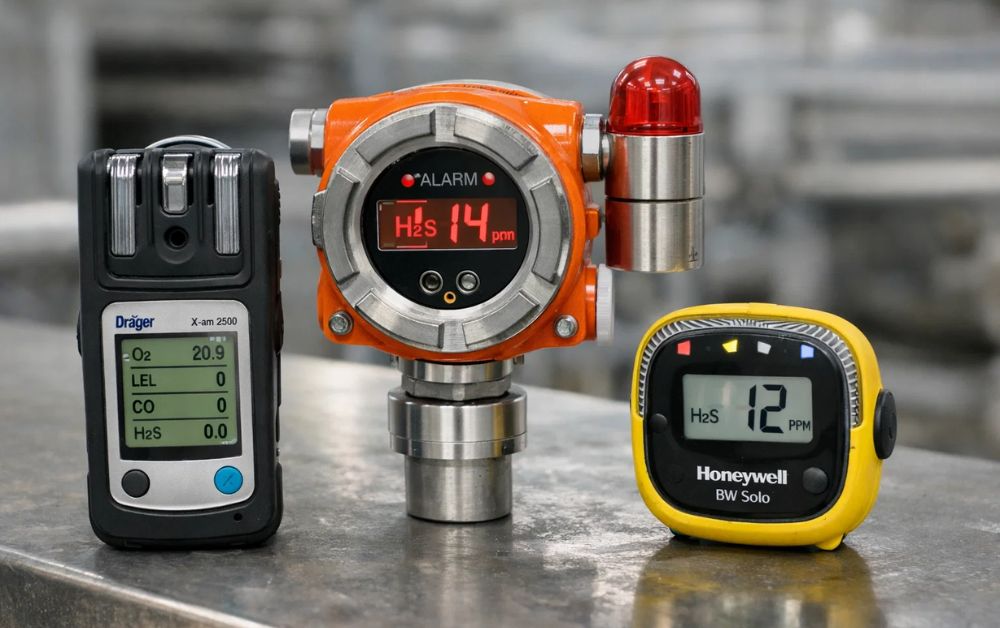

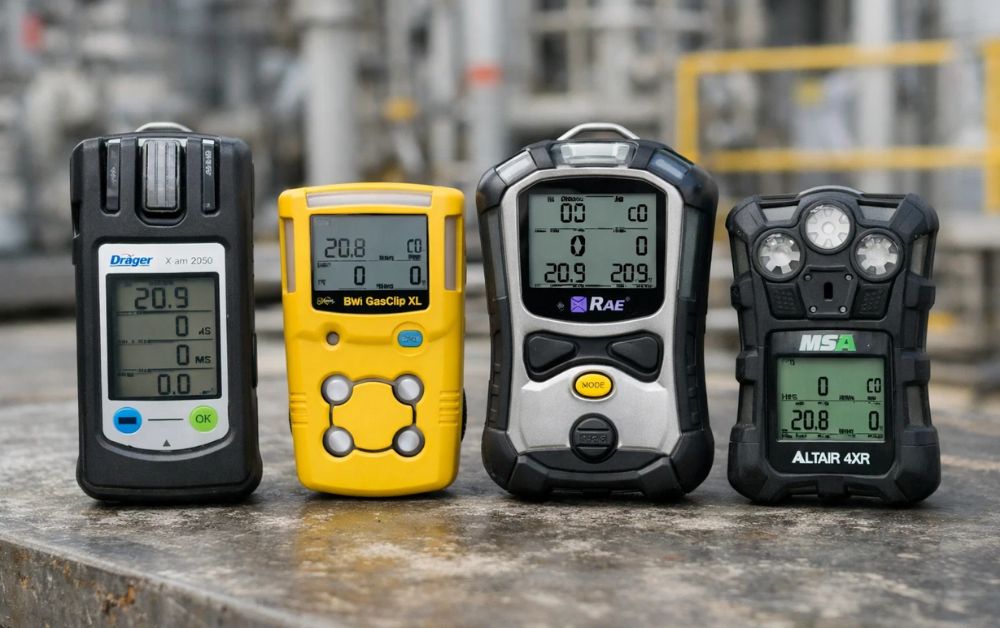

Production and business activities in many industries, such as the chemical industry, petroleum, pharmaceutical, etc., require the use or storage of combustible gases. The tri-combination detector is an industrial-level piece of widely used equipment. Security is critical. Gas leaks can go unnoticed and cause fires, explosions, and serious health issues. That is precisely why safety systems for gas detection are a vital part of today’s world, whether looking for a search through a selection and understanding how gas detection devices work can go a long way in helping you choose the right trade show displays to get your message across.
This blog focuses on how gas detectors work for combustible gases, what technologies are available, and why they are a necessary consideration to ensure safety.
Understanding Combustible Gases
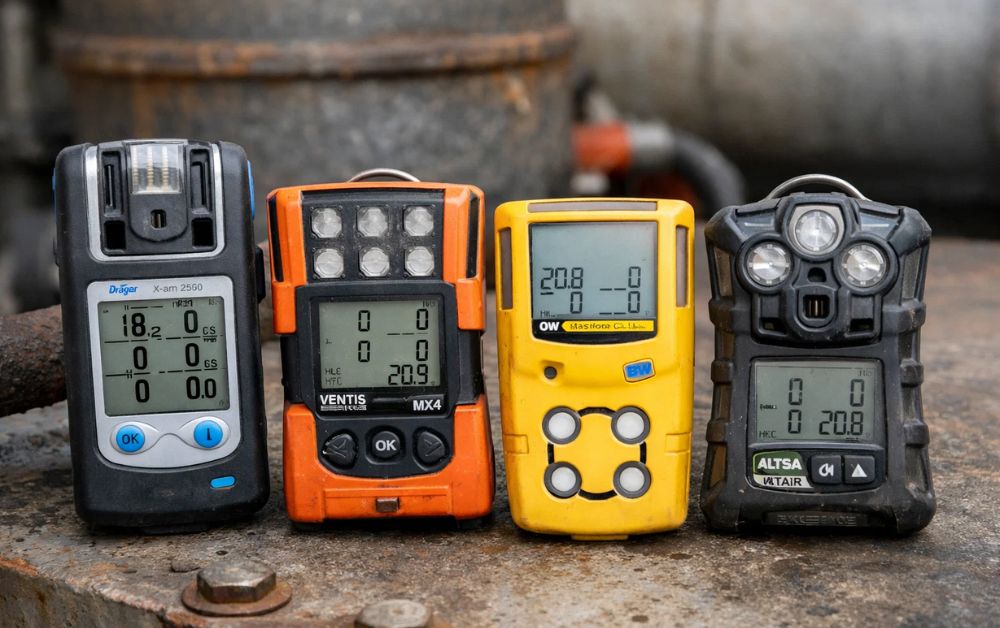
Explosive gases are gases that can ignite or explode when mixed with air in specific proportions and exposed to a combustion spark or source of heat. Examples are methane, propane, butane, hydrogen, and natural gas. A lot of these gases are colourless, and in some cases, they don’t even have a smell, which is dangerous as leaks can easily go unnoticed. Gas detectors are made to read the atmosphere and give a warning when the levels of gas get higher than they should be.
The Core Principle of Gas Detection
Gas detectors work by sensing particular gases through sensors upon exposure to the gas. These sensors transform the existence of gas into an electrical signal. This signal is analyzed by the detector’s internal electronics and compared against predetermined safety thresholds. Alarms are sounded or signals sent to other safety systems when gas concentrations reach unsafe levels.
Various environments and applications demand multiple types of sensing technologies, where every sensor is developed to ensure accurate detection of combustible gases in specific conditions.
Catalytic Gas Detection Technology
Pellistor sensors are a widely employed type of sensor for detecting combustible gases in industrial processes. The operating principle of these sensors is based on the oxidation of a gas.
When the sensor is exposed to a specific temperature and in the presence of combustible gases, gases come into contact with a hot catalyst, depending on their volume, which then reacts with oxygen. The heat alters the resistance of the sensor element. The change is detected and translated into a gas concentration reading by the detector(s).
Key Benefits
- Great for detecting a variety of combustible gases.
- Trustworthy and durable in industrial applications.
- Cost-effective solution for continuous monitoring
Considerations
- Requires oxygen to operate properly
- The sensor can experience chemical exposure validations
Infrared Gas Detection Technology
CO2Gas sensors based on the infrared (IR) principle detect combustible gases by utilizing how gas molecules absorb IR light. Each of these gases absorbs infrared energy at specific wavelengths. The immune reaction causes the air to absorb some of the infrared light that was emitted by an IR detector.
When gases are present, the light received by the sensor is reduced. This decrease is in direct proportion to the air concentration of the gas.
Key Benefits
- High accuracy and stability
- The sensor has a long life without maintenance
- Not affected by sensor poisoning
Considerations
- There is an increased initial cost relative to catalytic sensors.
- common and used, respectively, for some gases such as hydrocarbons
Semiconductor Gas Sensors
Semiconductor gas sensors are widely utilized for applications in portable and domestic gas detection instruments. These sensors are based on a material whose electrical resistance varies when it is in contact with flammable gases.
The conductance of the semiconductor is modified as gas molecules come in contact with the sensor surface. This change is detected to sense the gas presence and its concentration.
Key Benefits
- Compact and affordable
- Respond quickly to the presence of gas at low concentrations
- Great for both home and portable use
Considerations
- May be influenced by humidity and temperature
- Less selective than infrared sensors
From Detection to Action
When an accidental gas leak (such as natural gas, LNG, or hydrogen) occurs, it will be a long sound to alert people, a loud 85 dB alarm, and a flashing light to notify you. More sophisticated systems can also link the gas monitors to additional safety devices, such as:
- The gas supply valve is forced to close by the automatic stop feature
- Activation of ventilation systems
- Alerts to centralized control rooms
- Safety audits, compliance – log data
This advanced response minimizes the chances of accidents while guaranteeing a more rapid emergency intervention.
Importance of Proper Installation and Selection
The efficacy of a gas detection system is not just defined by the technology applied, but also by installation. Detectors shall be located at the proper elevations and positions relative to the gas being detected. Ongoing recalibration and maintenance are also necessary to maintain accuracy over time.
Selecting the optimal sensor will depend on criteria such as the environment, gases present, required sensitivity, and integration into an existing safety system.
Conclusion
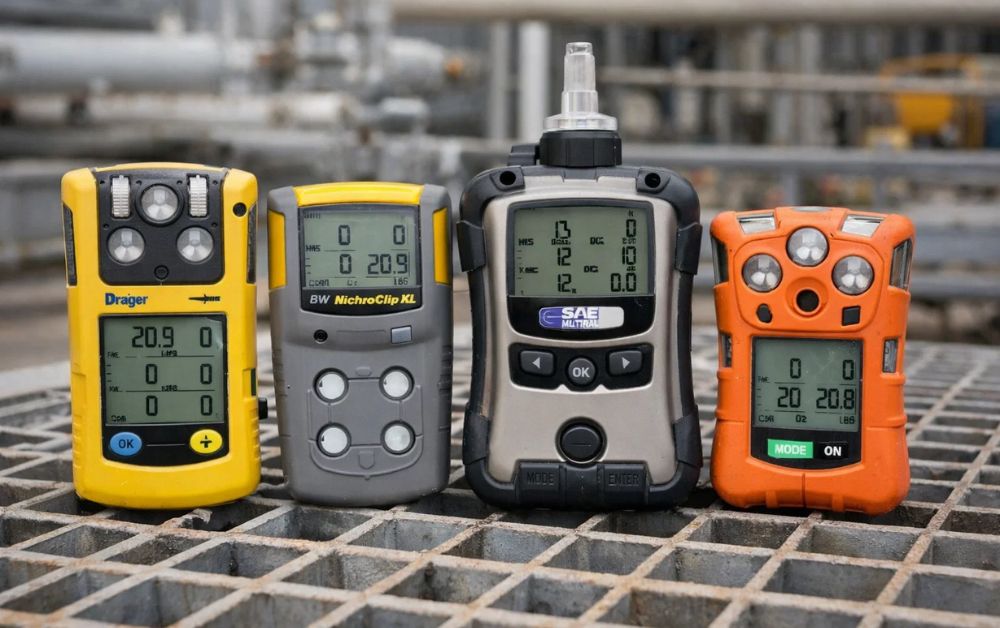
Gas detectors are a key part of any warning system that tells us of the existence of combustible gas leaks long before the possible development into dangerous hazards. Utilizing various technologies that include catalytic, infrared, and semiconductor sensors, these devices warn of hazardous gas accumulation that meets or exceeds industry-endorsed safety standards to protect life and property. By knowing how gas detectors work to sense combustible gases, companies can make decisions that affect safety.
If you are looking for a reliable distributor of gas detectors in the UAE, then we offer the top-quality products as your trustworthy gas detector supplier in UAE. Prolux International LLC is one of the trusted suppliers of explosion-proof equipment, electricals, LED lighting, and solar integration solutions. Serving the industrial sectors with a passion for safety and quality, Prolux International LLC provides the industry with efficient gas detection and protection systems that are required in harsh environments.