

Introduction
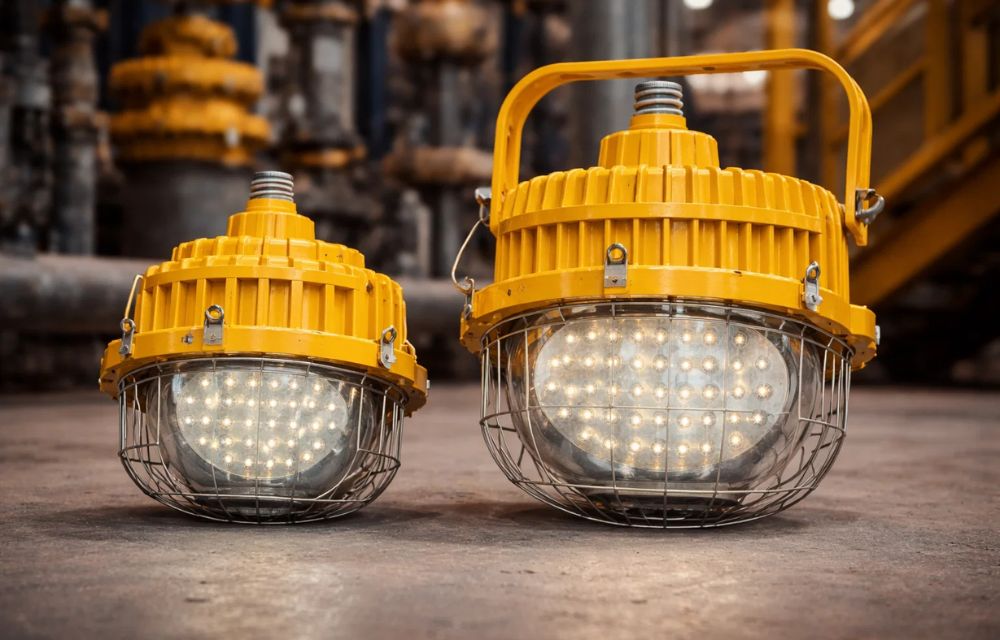
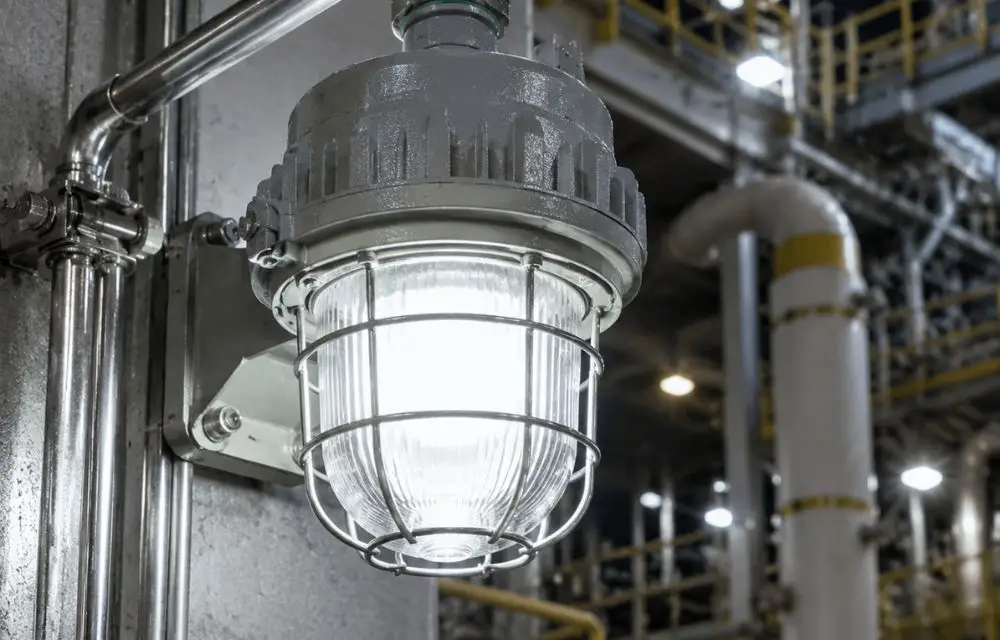
In industrial facilities where flammable gases, vapours, dusts, or fibres may be present in the atmosphere, standard electrical equipment presents an unacceptable ignition risk. Conventional luminaires — designed for use in standard, non-hazardous environments — can ignite flammable atmospheres through electrical sparks, arcing, or the heat generated by the luminaire components. In these environments, explosion proof lighting is not simply a preference — it is a legal requirement under international safety standards and a fundamental element of hazardous area risk management. Understanding the key features that define genuine explosion proof lighting systems helps specifiers, safety engineers, and procurement professionals make correct and defensible product choices for their hazardous area installations.
What Makes a Lighting Fixture Explosion Proof?
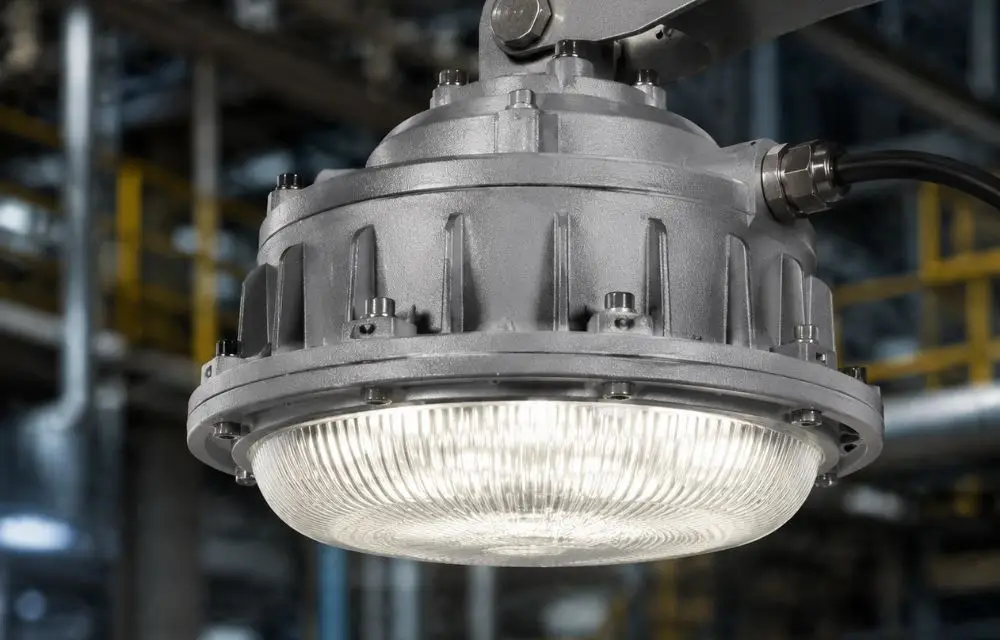
The term “explosion proof” in the context of electrical equipment does not mean the fixture is designed to withstand an explosion from outside. Rather, it means the fixture is designed so that even if the flammable atmosphere enters the housing and is ignited by a spark or arc within the electrical components, the explosion will be contained within the fixture and not allowed to propagate to the surrounding atmosphere. The fixture is also designed so that its external surfaces cannot reach temperatures high enough to ignite the surrounding atmosphere under normal or fault operating conditions.
This combination of containment and thermal management is achieved through a combination of mechanical design features, materials selection, and manufacturing quality that standard commercial luminaires do not have.
Feature 1: Robust Certified Enclosure
The most visible and fundamental feature of any explosion proof lighting fixture is its heavily constructed, sealed enclosure. These enclosures are typically manufactured from cast aluminium, cast iron, or stainless steel — materials chosen for their strength, corrosion resistance, and thermal properties. The enclosure walls are thick and precisely machined, particularly at the mating surfaces where the cover joins the body.
Any joints in the enclosure — called flamepaths — are machined to extremely tight tolerances so that if an internal ignition occurs, any hot gases escaping through the joint are cooled to below ignition temperature before they reach the surrounding atmosphere. This flamepath engineering is one of the most critical safety design elements in explosion proof lighting.
Feature 2: ATEX and IECEx Certification
Explosion proof lighting systems are required to be certified under internationally recognized standards before use in hazardous areas. The two most widely referenced certification frameworks are ATEX (Equipment for Potentially Explosive Atmospheres) used in Europe and increasingly specified globally, and IECEx (International Electrotechnical Commission’s certification scheme for explosive atmospheres). Both involve independent testing by accredited certification bodies and verification that the product meets the relevant design, construction, and performance standards.
A lighting fixture that claims explosion proof capability but does not carry valid ATEX or IECEx certification from an accredited body should not be used in any genuinely hazardous area installation. Certification documentation should always be verified against the specific zone classification of the installation area.
Feature 3: Zone Classification Compatibility
Hazardous areas are classified into zones based on the likelihood and duration of the presence of an explosive atmosphere. For gas and vapour hazards, Zone 0 (explosive atmosphere present continuously or for long periods), Zone 1 (likely to occur in normal operation), and Zone 2 (unlikely to occur in normal operation, but if it does, only briefly) have different equipment requirements. Equipment Group and Temperature Class also determine compatibility with specific flammable substances.
Correct zone classification and equipment specification is a mandatory element of hazardous area electrical installation. Explosion proof lighting must be certified for the specific zone classification and gas group of the area where it will be installed — using equipment specified for a less stringent zone classification in a more stringent zone is a serious safety violation.
Feature 4: Corrosion and Environmental Resistance
Hazardous industrial environments are often also harsh environments — subject to moisture, corrosive chemicals, extreme temperatures, and mechanical abuse. High-quality explosion proof lighting systems are therefore built with corrosion-resistant materials and surface treatments. Stainless steel hardware, marine-grade aluminium bodies, powder-coated or epoxy-coated finishes, and high-quality silicone or neoprene seals protect the fixture from ingress of water, dust, and corrosive substances. IP66 or IP67 ingress protection ratings are standard for most industrial explosion proof lighting installations.
Feature 5: LED Technology Integration
Modern explosion proof lighting is predominantly LED-based, which brings significant advantages. LED sources generate significantly less heat than traditional high-intensity discharge or fluorescent lamps, which reduces the risk of external surface temperatures reaching ignition levels and simplifies the thermal management design of the enclosure. LED also offers dramatically longer service life and lower energy consumption, which reduces the need for frequent lamp replacement in installations where maintenance access is limited or involves formal work permit procedures.
Conclusion
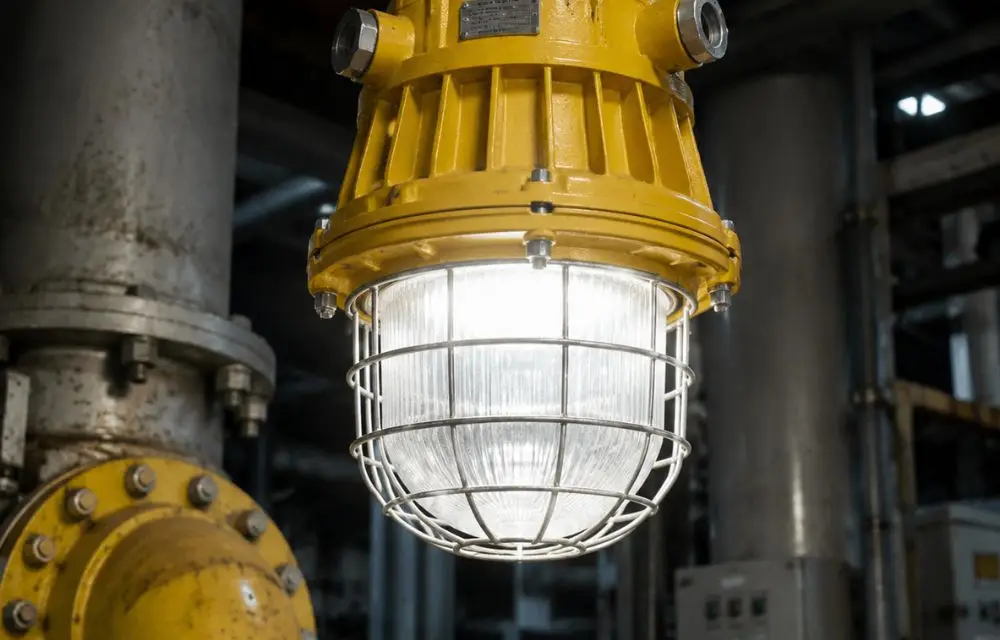
Explosion proof lighting systems are sophisticated, heavily engineered products designed to eliminate the ignition risk that conventional electrical equipment would create in hazardous atmospheres. Their key features — robust sealed enclosures with precision flamepaths, ATEX and IECEx certification, correct zone classification matching, corrosion and environmental resistance, and modern LED technology — together create lighting solutions that can operate safely in the most demanding industrial environments. For facilities across the UAE’s oil and gas, petrochemical, and industrial sectors that require explosion proof lighting, working with a knowledgeable supplier who understands hazardous area classification and certification requirements is essential for selecting the right products and ensuring a compliant and safe installation.