


Introduction
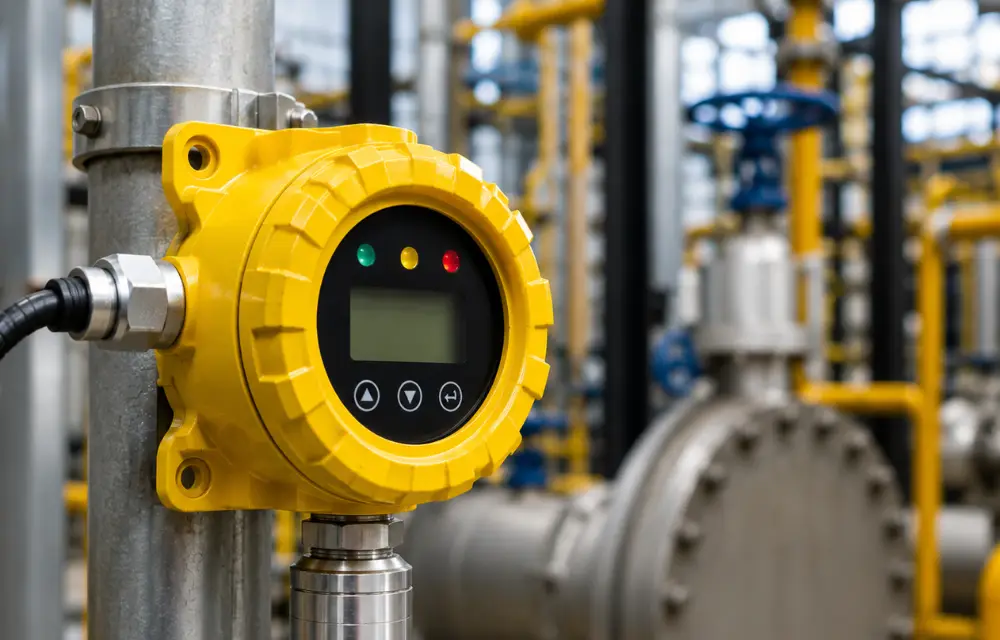
Industrial facilities across the UAE work with flammable gases, vapors, and combustible materials every single day. A single undetected leak or a stray spark can turn a normal shift into a disaster within seconds. This is exactly why fire and gas detection has become one of the most important safety investments a facility can make. Working with an experienced flame detector supplier helps plant managers and safety engineers put the right protection in place before an incident happens, not after. This blog explains how flame and gas detection systems work, where they are used, and what actually makes a detection system reliable in the field.

Why Early Detection Saves Lives and Assets
Fires and gas releases in industrial settings do not give much warning. Once a flammable atmosphere ignites, the window to control the situation is measured in seconds, not minutes. Detection systems exist to close that gap. By sensing a fire or a gas leak the moment it starts, these systems give operators, safety teams, and automated shutdown systems the time they need to respond before the situation escalates. In many UAE facilities, insurance requirements and regulatory frameworks now make this kind of protection mandatory rather than optional.
How Flame Detectors Work
Flame detectors watch for the specific light signatures that fires produce, rather than waiting for heat or smoke to build up. Common types include:
- UV detectors – sensitive to the ultraviolet radiation produced by flames, with very fast response times
- IR detectors – sensitive to infrared radiation, useful in dusty or smoky conditions where UV can be blocked
- UV/IR and multi-spectrum IR detectors – combine both technologies to reduce false alarms from welding, lightning, or sunlight while still detecting real fires quickly
The right choice depends on the specific hazard, the layout of the area, and the likelihood of false-alarm sources nearby.
How Gas Detectors Work
Gas detectors are built to sense the presence of flammable or toxic gases before they reach a dangerous concentration. The main types include:
- Catalytic bead sensors – measure combustible gas concentration as a percentage of the Lower Explosive Limit (LEL)
- Infrared point and open-path detectors – detect hydrocarbon gases across a fixed point or across an open path between transmitter and receiver
- Electrochemical sensors – designed for toxic gases such as hydrogen sulfide, commonly found in oil and gas operations
Each sensor type has strengths for particular gases and environments, which is why facilities often use a combination rather than relying on a single technology.
Where These Systems Are Used Across UAE Industries
Flame and gas detection is standard practice across a wide range of UAE industries, including:
- Oil and gas processing plants
- Petrochemical refineries
- Offshore platforms
- Chemical storage and handling facilities
- Power generation plants
- Warehouses and stores handling flammable materials
Each of these environments has its own combination of gas types, layout challenges, and temperature extremes, which is why detection systems need to be specified carefully rather than installed as a generic, one-size-fits-all solution.
Integration With Safety and Shutdown Systems
A detector on its own only tells you there is a problem. The real value comes from how it is integrated into the wider safety system. When a flame or gas detector is triggered, it typically activates audible and visual alarms, starts ventilation or gas suppression systems, and can automatically trigger an Emergency Shutdown (ESD) system to isolate the source and prevent the incident from spreading. This integration is what turns a simple sensor into a genuine layer of protection for people, equipment, and the wider facility.
Choosing the Right Equipment and Supplier
Selecting flame and gas detection equipment is not something to get wrong. Facilities should look for products that carry recognized hazardous area certifications, have a proven response time for the specific gases and fire types present on site, and come with clear calibration and maintenance support. Working with a knowledgeable flame detector supplier who understands UAE hazardous area requirements makes this process far more straightforward, since the right advice at the specification stage prevents costly mistakes later.

Conclusion
Flame and gas detection systems are a critical layer of protection for any facility working with flammable or toxic substances. Understanding how these systems work — from the light signatures flame detectors watch for, to the sensor technologies gas detectors rely on — helps safety engineers and procurement teams make informed decisions. For UAE facilities looking to strengthen their safety infrastructure, partnering with an experienced flame detector supplier who can recommend the right combination of technologies for the specific hazards on site is one of the most valuable steps a facility can take toward genuine operational safety.


