

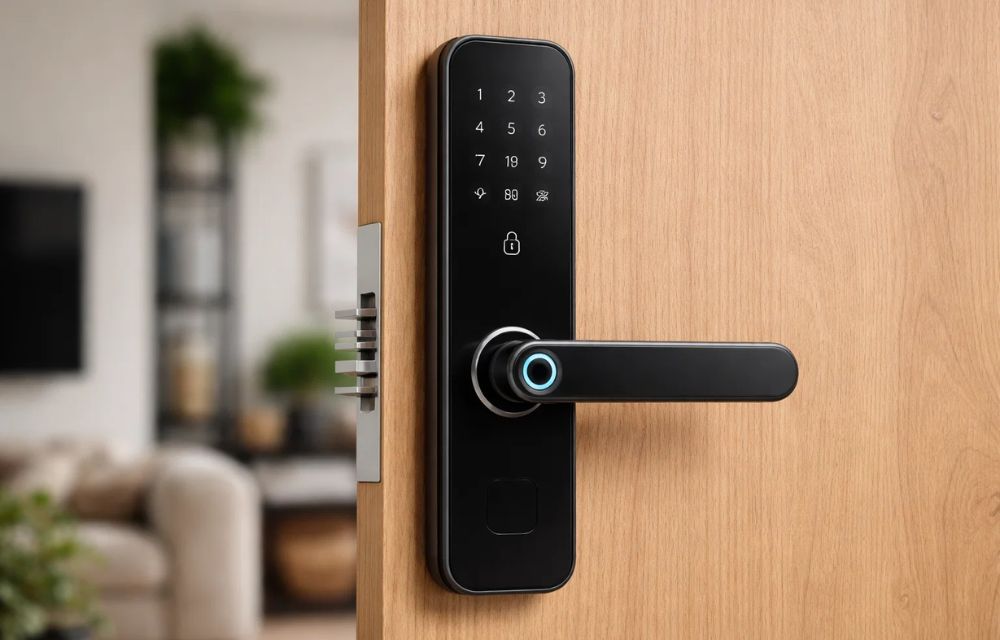

In today’s digital age, the concept of home security has evolved far beyond traditional locks & keys. Smart home technology has introduced new ways to control access, monitor activity, and ensure the safety of our loved ones. One of the most popular innovations is the smart door lock — a device that combines convenience, connectivity, and control. But with this technological leap comes an important question: Are smart locks truly safe? Let’s explore what security experts have to say about their effectiveness and reliability.

Understanding the Technology Behind Smart Locks
Smart door locks are electronic locking systems that let homeowners to lock & unlock doors remotely using a smartphone, keypad, fingerprint, or voice assistant. Many models also integrate with smart home ecosystems like Alexa, Google Assistant, or Apple HomeKit.
These locks typically use Bluetooth, Wi-Fi, or Z-Wave to communicate with devices. While this offers remarkable convenience, it also opens the door (literally and figuratively) to new types of risks—mainly cyber threats. This is why expert opinions on safety are crucial.
What Security Experts Say: The Good
-
Controlled Access and Convenience
Experts widely agree that smart locks offer a level of control that traditional locks simply can’t. You can provide virtual keys to guests, cleaners, or delivery personnel and revoke access at any time. This feature eliminates the necessity for physical keys, which can be lost or duplicated.
-
Real-Time Monitoring
Many security specialists highlight the advantage of remote monitoring. With a smart lock, you can receive alerts when someone enters or leaves your home. Some systems even log every entry, giving you a digital trail of access—a useful tool for families or landlords.
-
Advanced Encryption
High-quality smart locks use bank-grade encryption to transmit data, making it difficult for hackers to intercept commands. Experts recommend choosing devices that use AES 128-bit or higher encryption and are certified by cybersecurity organizations.
What Security Experts Warn: The Concerns
-
Vulnerability to Hacking
While encryption is robust, no system is 100% hack-proof. Cybersecurity experts caution that any device connected to the internet can be vulnerable to hacking. Poor password management, outdated firmware, or unsecured home networks can expose users to risks.
-
Battery and Power Issues
Unlike mechanical locks, smart locks depend on batteries or electricity. If the battery dies or there’s a system malfunction, you could be locked out—or worse, locked in. Experts recommend choosing models with battery indicators and emergency key overrides.
-
Physical Weakness
Though tech-savvy, some smart locks may not be as strong physically as traditional deadbolts. Security professionals often stress the importance of pairing a smart lock with a solid mechanical locking mechanism to ensure physical durability.
Expert Tips for Maximizing Smart Lock Security
To mitigate the concerns mentioned above, experts offer the following best practices:
- Choose Reputable Brands: Go for a smart lock from manufacturers with strong security credentials and regular firmware updates.
- Update Software Regularly: Keeping the lock’s firmware updated helps patch any known vulnerabilities.
- Use Strong Passwords: Avoid common passwords. Use a strong, unique passcode for the mobile app and Wi-Fi network.
- Enable Two-Factor Authentication: Many smart locks offer 2FA for added security. Enable it if available.
- Check for Security Certifications: Look for certifications like ANSI Grade 1 or 2 for mechanical strength, and UL 294 for electronic security systems.
- Maintain Backup Access: Always have a backup method, such as a mechanical key or access card, in case the system fails.
What’s the Verdict?
Most experts agree that smart locks are safe when used responsibly and chosen wisely. They provide unmatched convenience, flexibility, and even enhanced security when combined with best practices. However, they are not without risks. Users must take an active part in securing their devices and networks to enjoy the full benefits without compromising safety.
As smart home adoption continues to rise, so does the innovation in smart lock technology. Features like biometric access, geofencing, tamper alerts, and integration with security cameras are further boosting safety levels. Ultimately, the security of a smart lock is as strong as the system it’s built on—and the precautions its users take.

In Conclusion
Incorporating a smart lock into your home security system can be a game-changer when done right. Experts emphasize that informed choices, good cybersecurity hygiene, and high-quality hardware are key to maximizing safety.
For top-tier smart security solutions and expert guidance, trust Prolux International LLC—your reliable partner in innovative access control systems.


